3d Mountain Bear Layered SVG Design for Animals Content
In the world of digital publishing, visual hierarchy is not just an aesthetic choice; it is a critical component of user experience and content performance. As a blog designer who has spent years optimizing editorial layouts for high-traffic websites, I evaluate every graphic design asset through the lens of utility, brand alignment, and reader engagement. Today, I am reviewing the 3d Mountain Bear Layered SVG Design, a file that promises to bring depth and character to outdoor-themed content. This review focuses on how this specific 3D SVG fits into a real-world workflow for bloggers, affiliate marketers, and digital product creators.
The First Impression: Editorial Mood and Niche Alignment
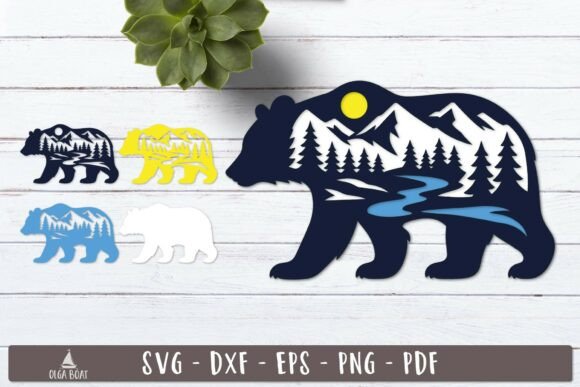
When you first load the 3d Mountain Bear Layered SVG Design, the immediate takeaway is its strong sense of dimensionality. Unlike flat vector illustrations that can sometimes feel generic or corporate, this layered approach creates a tactile quality that mimics physical cutouts or mixed-media art. For a publisher, this translates to a mood that is both adventurous and grounded. It feels less like a sterile icon and more like a piece of handcrafted storytelling.
This design naturally supports niches such as outdoor recreation, hiking lifestyle, cabin living, wildlife education, and rustic home decor. It does not fit well in corporate finance or medical tech contexts, but for small business branding in the creative or lifestyle space, it offers a distinct personality. The "Animals" category here is handled with artistic flair rather than scientific precision, making it ideal for content marketing that aims to evoke emotion and wanderlust rather than dry information.
Integrating the Asset into Your Publishing Workflow
The true value of a digital download lies in its versatility across multiple touchpoints. In my own editorial process, I look for assets that can serve double or triple duty to maintain consistency without requiring endless design hours. Here is how this mountain bear design integrates into a typical publishing cycle:
- Blog Featured Images: The layered nature of the SVG allows for subtle shadows and depth when rendered, making it stand out against clean white or light-colored backgrounds in your post header.
- Pinterest Graphics: Pinterest is a visual search engine where bold, textured graphics often outperform flat ones. This design’s organic shapes capture attention in crowded feeds, supporting higher click-through rates for your articles.
- Newsletter Headers: Adding a touch of whimsy to your email campaigns can increase open rates. Placing this bear at the top of a newsletter creates an immediate connection with readers interested in nature and crafts.
- Digital Guides and Lead Magnets: If you are creating a PDF guide on "How to Start a Hiking Blog" or "DIY Cabin Decor," this asset serves as a perfect cover image or section divider, enhancing the perceived value of your lead magnet.
- Social Media Previews: For Instagram or Facebook posts, the layered effect provides a focal point that stops the scroll. It works particularly well when paired with earth-tone color palettes.
Enhancing Visual Hierarchy and Brand Identity
A common mistake new bloggers make is treating all images as equal. However, strategic use of design assets helps guide the reader’s eye. The 3d Mountain Bear Layered SVG Design adds weight to specific areas of your layout. When used as a website header element or a sidebar accent, it anchors the page visually. This contributes to a stronger brand identity by establishing a consistent visual language that readers come to recognize.
Furthermore, using high-quality, layered vectors signals professionalism. Readers subconsciously associate polished visuals with trustworthy content. If your text is well-researched but your graphics look pixelated or flat, you risk losing credibility. By investing in detailed creative design elements like this, you elevate the entire presentation of your editorial design. It suggests that you care about the details, which builds reader trust over time.
Where This Design Shines in Real Applications
Based on testing various layouts, here are the specific areas where this asset performs best:
- Hero Images: Use it as a central element in hero banners for seasonal content, such as autumn hiking guides or winter craft tutorials.
- Category Thumbnails: Create a uniform set of icons for your site navigation. The bear can represent a "Nature" or "Wildlife" category, providing instant recognition.
- Printable Resources: Since the source is an SVG, it scales perfectly for print. You can offer downloadable coloring pages or wall art prints based on this design, adding a revenue stream through affiliate marketing or direct sales.
- Canva Templates: If you provide templates to your audience, including this layered bear allows them to create professional-looking social media posts easily, extending your brand’s reach.
Cautions and Technical Considerations
No single asset is suitable for every scenario. There are times when the 3d Mountain Bear Layered SVG Design should be used carefully to avoid visual clutter or confusion.
First, avoid placing this graphic on busy backgrounds or next to dense blocks of text. The layered effect relies on negative space to show depth. If the background is too complex, the 3D illusion collapses, and the image may appear muddy. Second, be mindful of mobile screens. While SVGs scale well, extremely small thumbnails might lose the detail of the layers. Always test your blog graphics on actual mobile devices to ensure readability.
Additionally, consider the contrast. If your website uses a dark theme, you may need to invert the colors or add a solid backing shape behind the bear to ensure it pops. Also, remember that while this design is playful and artistic, it may not suit serious professional niches like legal advice or corporate consulting. In those cases, a more minimal modern design approach would be preferable.
Practical Publisher Notes for Implementation
To get the most out of this asset, follow these technical steps before publishing:
- Font Pairing: Experiment with typography. The bear pairs well with rugged serif fonts for headlines and clean sans-serif fonts for body text. Avoid overly decorative script fonts that compete with the organic shapes of the bear.
- File Size Optimization: Although SVGs are generally lightweight, if you convert this to PNG for certain platforms, ensure you compress the image properly to maintain fast web design load speeds.
- Licensing Check: Before using this on monetized websites, affiliate pages, or paid digital products, confirm your commercial license. Ensure you have the right to use the asset for profit-generating activities.
- Color Testing: Preview the design in black and white. If the composition holds up without color, it indicates a strong structural design. Then, apply your brand’s color palette to see how it integrates with your existing visual hierarchy.
In conclusion, the 3d Mountain Bear Layered SVG Design is a versatile tool for any creator looking to add depth and narrative to their content. Whether you are designing a digital guide, updating your social media graphics, or refining your editorial design, this asset offers the quality and style needed to engage modern audiences. By integrating it thoughtfully into your workflow, you enhance not just the look of your site, but the overall perception of your brand authority.