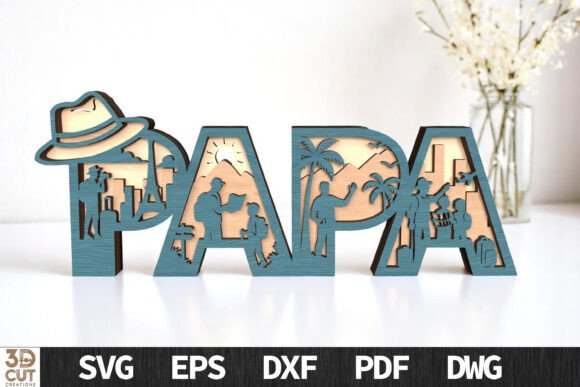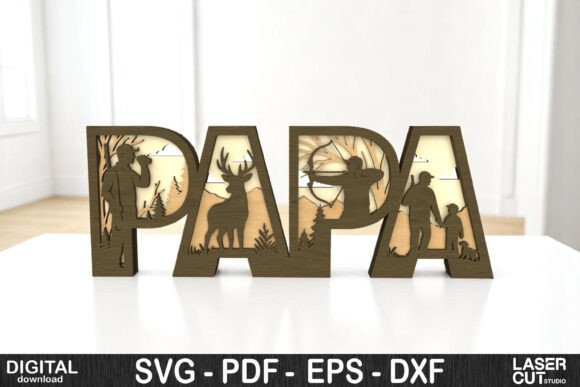
Papa Hunting Archery 3D Layered Sign
When I first pulled up the preview for the Papa Hunting Archery 3D Layered Sign, my immediate reaction was one of cautious optimism. As a designer who spends half my day troubleshooting stitch paths and the other half trying to sell finished goods on Etsy, I don’t get excited about every new file drop. Most designs are either too cluttered for small hoops or lack the structural integrity to hold up in a real-world production run. But this one? It has potential. It’s not just a graphic slapped onto a canvas; it feels like a product waiting to happen.
The concept is straightforward but emotionally resonant: archery, fatherhood, and that rugged, outdoorsy aesthetic that sells so well in the handmade market. The "3D layered" aspect suggests depth, which is tricky in embroidery because you have to trick the eye into seeing dimension without actually building it with foam or multiple fabric layers. If executed correctly, this design could be a staple for any boutique specializing in personalized gifts for dads who love the hunt—or at least love the idea of it.
First Impressions and Visual Personality
The mood of the Papa Hunting Archery 3D Layered Sign is undeniably masculine yet warm. It avoids the cliché of aggressive hunting imagery by focusing on the identity of "Papa." This is crucial for modern consumers who want products that feel personal rather than generic. The layout appears balanced, likely centering around an archery target or bow motif integrated with text. For a machine embroidery design, balance is everything. If the visual weight is off, the hoop will tilt, the tension will break, and the final finished product will look amateurish.
What stands out is the potential for texture play. A 3D layered sign implies that different elements might need different stitch types. You might see bold satin stitches outlining the main shapes, contrasted with fill stitches for background elements, and perhaps some running stitch details for arrows or feathers. This variety keeps the viewer’s eye moving across the piece, which is exactly what you want in a custom apparel item. It doesn’t feel static; it feels active.
Real-World Application: Where Does This Fit?
I’ve been thinking about where this design would shine brightest, and several scenarios come to mind. First, and most obviously, is Father S Day. It’s a massive sales driver, and having a niche-specific design like this can set your shop apart from the sea of generic "Best Dad Ever" templates. Imagine this embroidered on a heavy-weight cotton twill cap. The structure of the cap supports the density of the design, and the archery theme fits perfectly with outdoor gear branding.
Another strong contender is a custom tote bag design made from durable canvas. When paired with sturdy handles and maybe a leather patch accent, this design becomes a statement piece. It’s not just a bag; it’s a gift box that says, "I know who you are." Similarly, on a sweatshirt or hoodie, the design could serve as a chest pocket placement or a larger back print. The sweatshirt embroidery market is saturated, but quality matters. If the Papa Hunting Archery 3D Layered Sign holds its shape after washing, it builds customer trust.
Don’t overlook smaller items. An embroidered patch version of this design could be sold separately for people to attach to their own jackets or quivers. Or consider it for kitchen towels—yes, really. There is a growing trend of "man cave" decor, and a well-stitched tea towel with this motif makes for a hilarious yet thoughtful housewarming gift. It bridges the gap between utility and sentimentality.
Technical Challenges and Fabric Considerations
Here is where we need to get practical. Not all fabrics are created equal, and this design will behave differently depending on what you stitch it on. If you attempt this on thin, stretchy jersey knits without proper stabilization, you’re asking for puckering. The stitch density required for a 3D effect usually means more thread, which pulls on light fabrics. I strongly advise using a cut-away stabilizer for anything wearable, especially if it’s going to go through the wash frequently.
Color contrast is another critical factor. If you choose dark fabric, you’ll need light, high-contrast threads to make the details pop. Conversely, on white or light backgrounds, dark threads might disappear if the design relies on subtle shading. Before committing to a full production run, test the Papa Hunting Archery 3D Layered Sign on scrap fabric. Check the thread colors against your intended material. Sometimes, a color that looks great on screen turns muddy when stitched in polyester thread.
Also, pay attention to the small details. In digital previews, tiny text or fine lines can look crisp. In reality, they might merge together if the hoop size is too small or if the machine isn’t calibrated perfectly. Inspect the design file closely. Are there any areas where the stitch direction conflicts? Are there any isolated dots that might not catch the needle properly? These are the things that separate a professional result from a hobbyist mistake.
Commercial Viability and Branding
For the Etsy seller or small business owner, this design offers a few distinct advantages. First, it’s highly giftable. People buy gifts; they rarely buy random t-shirts for themselves. By positioning this as a perfect gift for hunters, fishermen, or outdoorsmen, you tap into an emotional buying trigger. Second, it allows for upselling. You can offer the design on a hat, then suggest a matching tote, then a pillow cover. This increases the average order value.
However, you must verify the licensing terms. The product details mention SVG, PDF, EPS, and DXF formats, which are typically vector files used for laser cutting and engraving. Wait a minute—if these are primarily laser cutting files, how does that translate to embroidery? This is a common point of confusion. Often, designers sell a bundle that includes both vector art for signs and digitized versions for machines. If you are planning to use this for commercial embroidery, ensure you have the correct embroidery file (.pes, .dst, .jef, etc.) and not just the vector outline. Using a vector file directly in an embroidery machine will result in nothing but error messages.
If the bundle includes true embroidery digitization, check the file compatibility with your software. Does it convert cleanly? Do the colors map correctly? A messy conversion can ruin a good design. Take the time to review the digital embroidery file in your hoop simulation software before stitching. Look for unnecessary trims, excessive jumps, and poor underlay stitches. Good underlay is invisible but essential for stability.
Final Verdict: Is It Worth Your Time?
The Papa Hunting Archery 3D Layered Sign feels like a solid addition to a seasonal collection. It hits the right notes for the target audience: proud fathers, outdoor enthusiasts, and supporters of archery sports. It’s versatile enough for apparel, home decor, and accessories. But versatility comes with responsibility. You must treat it with the care it deserves during the digitizing and stitching process.
My advice? Start small. Make a prototype on a tote bag. See how the customers react. Take photos for your printable mockup listings. Use those images to gauge interest before investing in bulk materials. If the response is positive, expand to caps and hoodies. Remember, in the world of handmade goods, presentation is half the battle. A beautifully stitched design on a poorly presented product won’t sell. But a decent design presented beautifully often will.
Ultimately, this design has the makings of a bestseller, provided you respect the technical requirements. Test your stabilizers, check your tensions, and always prioritize clarity over complexity. If you can deliver a crisp, durable, and emotionally appealing final product, you’ll find that the Papa Hunting Archery 3D Layered Sign earns its place in your catalog. Just don’t forget to check the license agreement before you start selling those craft business items. Happy stitching!