With Sympathy 3D Fold and Tuck Card SVG for Greeting Cards
In the world of digital publishing, visual communication is not just an aesthetic choice; it is a functional necessity. As a blog designer and digital publisher who has spent years refining editorial layouts and optimizing content for engagement, I approach every graphic design asset with a critical eye. We are looking for more than just pretty pictures; we need tools that enhance readability, establish trust, and drive clicks. Recently, I evaluated the With Sympathy 3D Fold and Tuck Card SVG, a versatile file intended for crafting and print, to see if it holds up in a rigorous digital content workflow. This review explores how this specific 3D SVG can be repurposed for modern websites, editorial projects, and content marketing strategies.
The First Impression: Editorial Mood and Visual Identity
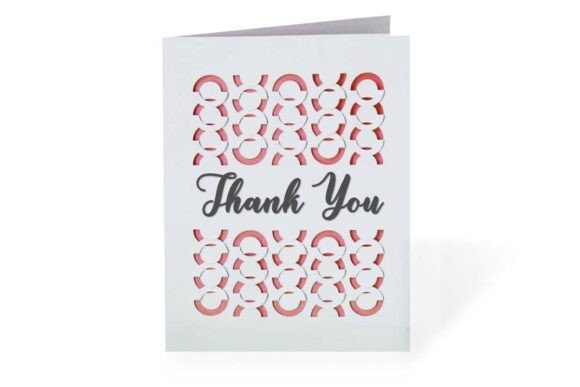
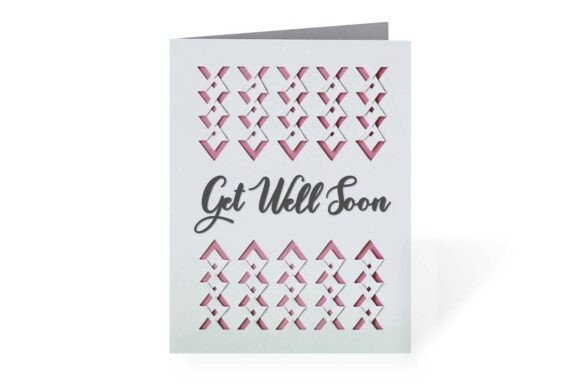
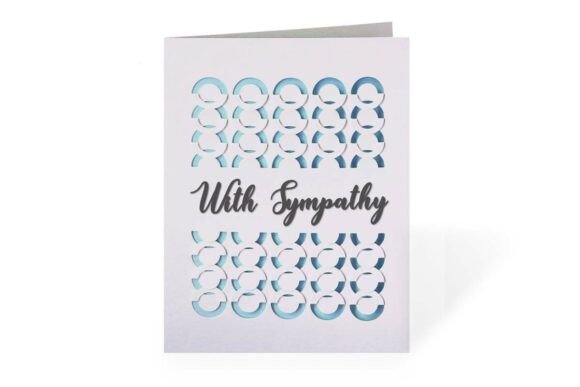
When you first load the With Sympathy 3D Fold and Tuck Card SVG, the immediate takeaway is its structural elegance. Unlike flat vector shapes that often feel generic, this design mimics the tactile experience of physical stationery. It evokes a mood that is both personal and polished. For publishers, this translates to a sense of intimacy and care, which is crucial when trying to connect with readers on an emotional level.
The design leans towards a clean, modern aesthetic with a touch of decorative flair. It feels suitable for lifestyle-focused blogs, wellness newsletters, and creative portfolios. However, its versatility allows it to bridge the gap between playful and professional. When integrated into a website header or a featured image, it signals that the content creator values detail and quality. This subtle cue can significantly impact reader perception, suggesting that the information within the article is equally well-crafted and trustworthy.
Real-World Publishing Applications
One of the most compelling aspects of this asset is its adaptability across various digital touchpoints. In my workflow, I constantly look for assets that can serve multiple purposes without requiring extensive rework. Here is how the With Sympathy 3D Fold and Tuck Card SVG fits into real publishing scenarios:
- Blog Featured Images: Use the card structure as a background element behind your headline text. The 3D effect adds depth, making your post stand out in crowded social media feeds and search results.
- Pinterest Pins: Pinterest is a visual search engine where aesthetics drive traffic. A high-quality graphic featuring this fold-and-tuck design can increase click-through rates by offering a visually distinct alternative to standard photo-based pins.
- Newsletter Graphics: Email open rates depend heavily on preview text and imagery. Embedding this design in your email headers or body copy can elevate the perceived value of your message, making it feel like a premium deliverable rather than spam.
- Digital Guides and Lead Magnets: If you are creating a downloadable resource, such as a checklist or eBook, using this SVG as a cover element or section divider reinforces the theme of thoughtful curation.
- Social Media Stories: The vertical format often used in stories pairs well with the dimensional aspect of this card. It creates a "sticker-like" effect that engages users scrolling through their feeds.
Enhancing Content Performance Through Design
Good design is invisible until it is done poorly. When executed correctly, assets like the With Sympathy 3D Fold and Tuck Card SVG support content performance in measurable ways. By establishing a clear visual hierarchy, the design guides the reader’s eye naturally toward key information. This reduces cognitive load, allowing visitors to digest your message faster.
Furthermore, consistency in branding builds authority. If you use similar structural elements across your website banners, category thumbnails, and affiliate content visuals, you create a cohesive brand identity. Readers begin to recognize your content instantly, even before they read the title. This familiarity fosters trust, which is the currency of successful content marketing and affiliate marketing. A polished visual system suggests that your business is legitimate and attentive to detail, encouraging users to stay longer and explore deeper.
Strategic Placement for Maximum Impact
Not every corner of your website needs this level of graphical emphasis. To maintain balance, consider where this asset will have the greatest effect. It works exceptionally well in hero images, where it can anchor the composition, and in article thumbnails, where it competes for attention. It also serves as an excellent accent for editorial layouts, breaking up long blocks of text with visual interest.
For digital products, such as printable designs or Canva templates you sell, this SVG can be a core component. It adds tangible value to a digital download, making it feel like a complete package. Even in media kits, showcasing your ability to integrate sophisticated design elements can attract higher-value sponsorships.
Where to Exercise Caution
While this asset is powerful, it is not a universal solution. There are contexts where its complexity might detract from your message. For instance, on small mobile thumbnails, intricate details may blur or become indistinguishable. In these cases, simpler geometric shapes or solid color blocks often perform better.
Avoid using this design in serious professional niches, such as legal advice or corporate finance, where a minimal visual system is preferred. Additionally, be mindful of low-contrast backgrounds. The 3D effect relies on shadows and highlights; placing it against a busy or dark background can make the design muddy and hard to read. Always test your graphics to ensure they do not compete with your typography.
Practical Publisher Notes for Implementation
To get the most out of the With Sympathy 3D Fold and Tuck Card SVG, follow these technical best practices:
- Cross-Device Testing: Always preview your graphics on desktop, tablet, and mobile screens. Ensure the card does not overlap essential text or UI elements on smaller viewports.
- Thumbnail Verification: Zoom out to 10% size to check legibility. If the design becomes a blob, simplify the version you use for thumbnails.
- Typography Pairing: Experiment with font combinations. Place the graphic beside serif fonts for a traditional look, sans-serif fonts for modernity, or script fonts for elegance. Avoid pairing it with overly decorative handwritten fonts that clash with its structured lines.
- Contrast and Readability: Check contrast ratios to ensure accessibility. Your headline text must remain readable over any part of the graphic.
- File Optimization: Review file sizes for web performance. Large SVGs or rasterized versions can slow down page load times. Compress images properly using tools like TinyPNG or Squoosh before uploading.
- Licensing Compliance: Confirm your commercial license before using this asset on monetized websites, affiliate pages, or paid content products. Most marketplaces allow commercial use, but restrictions may apply regarding resale as a standalone digital product.
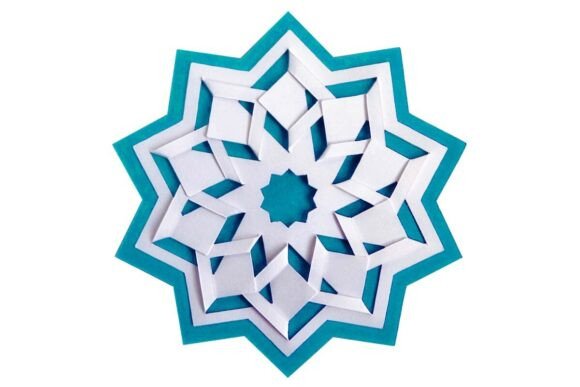
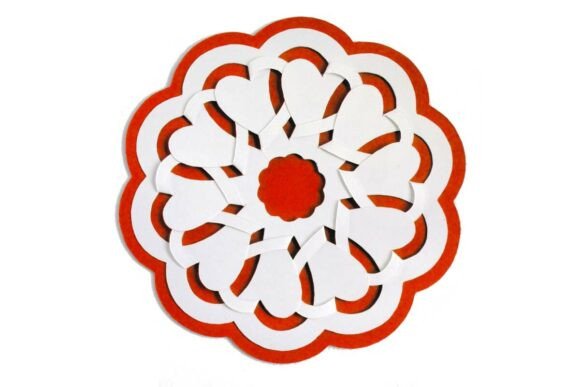
This fold and tuck card design comes as one piece cut, in SVG, STUDIO 3, and PDF formats. Easy to assemble. Card liner is included if you want to add an optional colour inside. Find more fold and tuck variations to expand your library. By treating this creative design element as a strategic tool rather than mere decoration, you can elevate your editorial standards and create a more engaging, trustworthy digital presence.